
Paver
Installation
How pavers are installed, the base and jointing that make them last, what they cost, and why a damaged paver is an easy fix.
Thanks! We got your request.
We'll call you within 24 hours to discuss your
project.
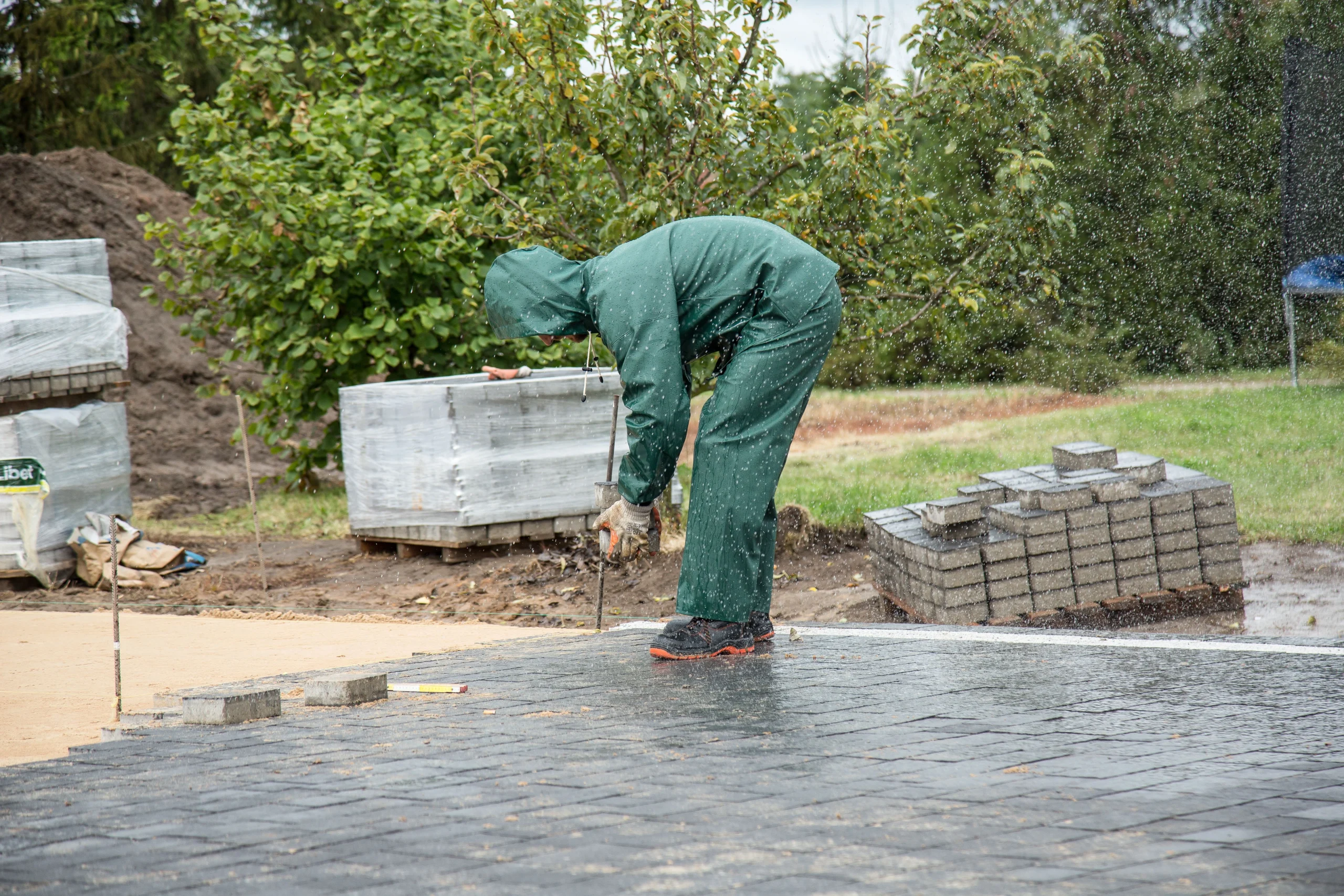
Pavers are individual units, concrete or brick, set in a pattern over a prepared base to form driveways, patios, walkways, and pool decks. They give you the widest range of colors, shapes, and patterns of any paving option, and they have one advantage nothing else does: if a paver ever cracks or stains, you lift that one unit and replace it instead of patching a whole slab.
As with all hardscape, the base, the edging, and the joint sand are what keep a paver surface flat and locked together for decades. This page covers how pavers are installed, the options, cost factors, and the questions homeowners ask us most.
Where Pavers Are Used
Driveways
Carrying vehicle weight on a deeper base.
Patios & Outdoor Living
Patios and outdoor living areas.
Walkways & Garden Paths
Walkways and garden paths.
Pool Decks
Where slip resistance and easy repair matter.
Paver Types
Concrete Pavers
The most common, in a huge range of shapes, colors, and textures, including tumbled and natural-stone looks.
Clay Brick Pavers
Classic color that holds over time.
Permeable Pavers
Designed to let water drain through the joints, useful for drainage and some local requirements.
Why the Base and Joints Matter
A paver surface is a system: a compacted stone base, a bedding layer, the pavers, edge restraints, and joint sand locking it all together. Get the base depth and compaction right and add proper edging, and the surface stays tight and level. Skip the base or the edging and the pavers spread, sink, and go uneven. For driveways the base needs to be deeper than for a patio because it carries vehicle weight. We build the base to the right depth for the use.
Our Process
Design and Estimate
We go over the layout, paver style, and pattern, and check slope and drainage.
Excavation and Grading
We excavate to the depth the base needs and grade for drainage away from the house.
Base Preparation
We install and compact a crushed stone base, deeper for driveways than for patios and walkways.
Edge Restraints
We set edging so the pavers stay locked in and don't spread over time.
Bedding and Laying
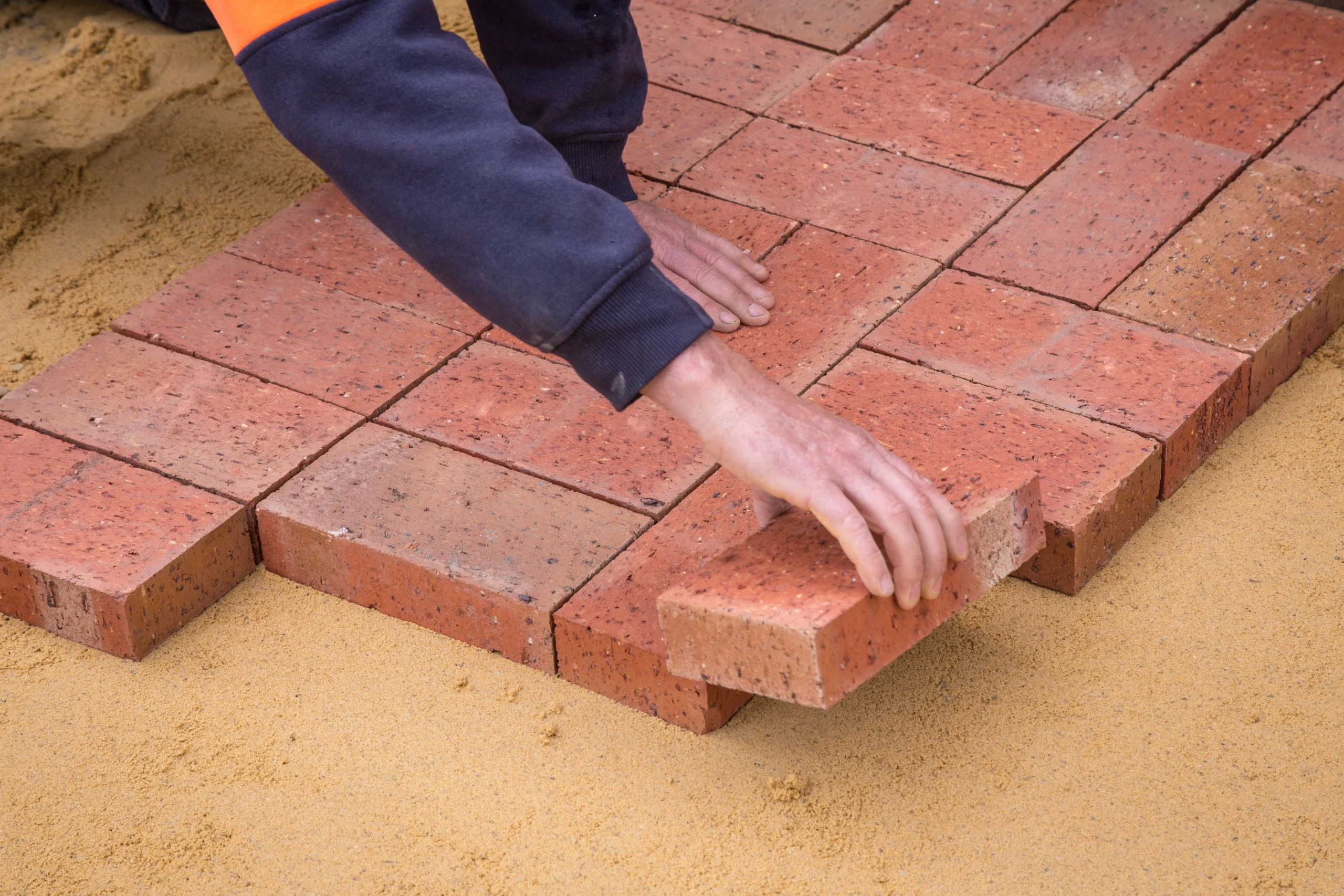
We screed a bedding layer and lay the pavers in your chosen pattern, cutting to fit the edges.
Joint Sand and Compaction
We sweep in joint sand, usually polymeric, and compact the surface so the pavers lock together.
What Affects the Cost
Paver pricing depends on a handful of things.
Paver & Size
The paver you choose and the size of the area.
Use
Driveways need a deeper, costlier base than patios.
Pattern
Intricate patterns and lots of cuts add labor.
Base, Borders & Access
Base and drainage work, borders, and access.
Pavers cost more upfront than asphalt or plain concrete, but their looks, longevity, and repairability are why many homeowners choose them. We give a free written estimate after seeing the site.
Maintenance and Repair
Pavers are low maintenance. Polymeric joint sand resists weeds and washout, and refreshing it occasionally keeps the surface tight. Sealing is optional and helps with stains and color. The big advantage is repair: a cracked or stained paver, or a spot that settles, can be lifted and reset without redoing the whole surface. That's something you can't do with poured concrete or asphalt.
Frequently Asked Questions
How much does paver installation cost?
Are pavers better than concrete?
Do pavers get weeds between them?
Will pavers sink or shift?
Can I use pavers for a driveway?
How long do pavers last?
Related Services
Looking for a specific paver application or material? Take a look at these related pages.
Ready To Get Started
Planning A Paver Project?
Call us at (908) 263-8265 or request a free estimate. We'll look at the space, go over paver styles and patterns, and give you a straight written price.