Stone
Veneer
How stone veneer is installed, the difference between natural and manufactured stone, what it costs, and where it works best.
Thanks! We got your request.
We'll call you within 24 hours to discuss your
project.
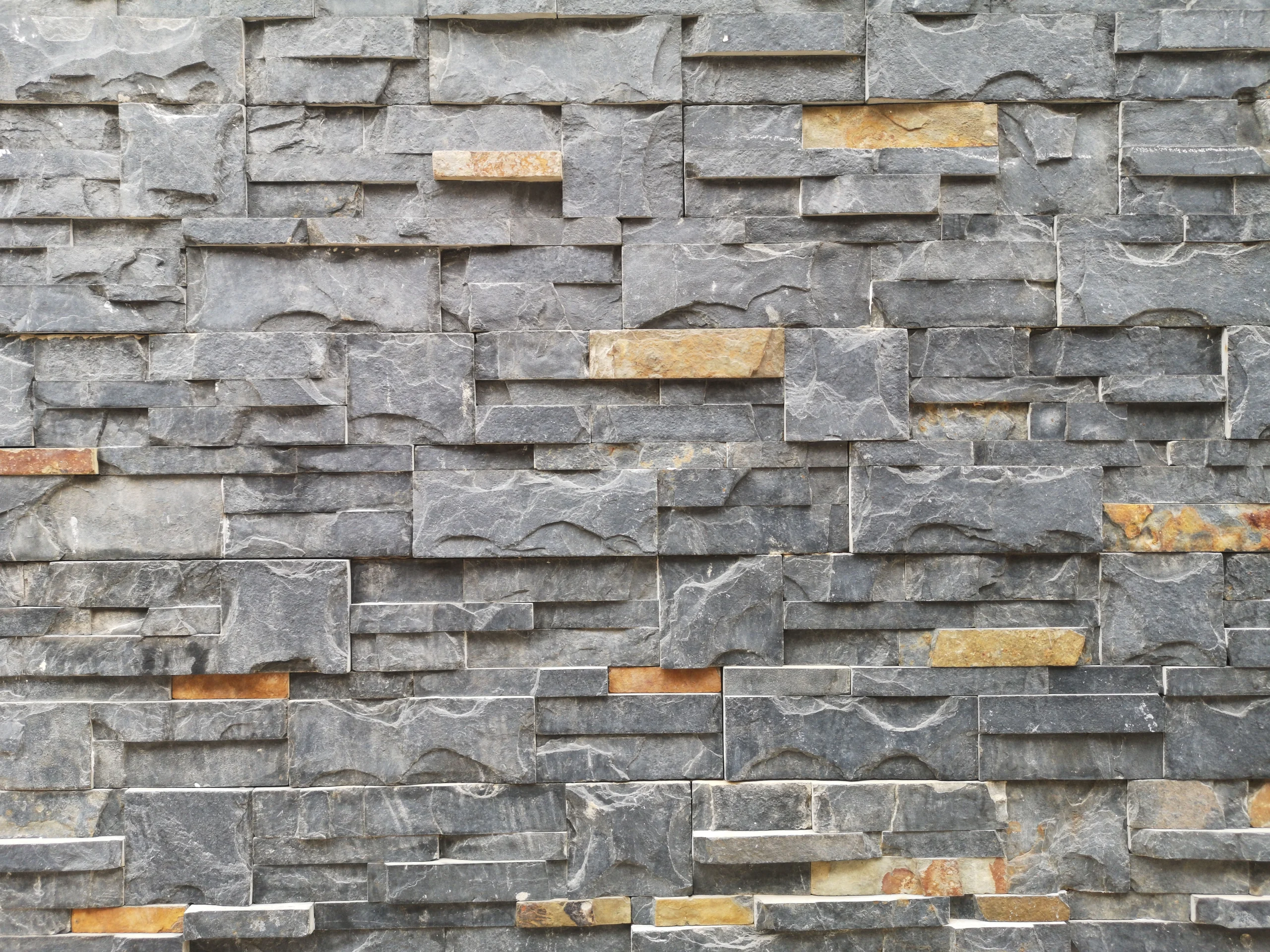
Stone veneer gives a home the look of full stone masonry at a fraction of the weight and cost. It's a facing layer, natural or manufactured stone applied over a wall, that transforms the front of a house, a chimney, a foundation, or an outdoor feature.
Because it's decorative rather than load-bearing, the whole job comes down to installation: the moisture barrier and the bond behind the stone are what keep it looking right and keep water out of the wall. This page covers how stone veneer is installed, natural versus manufactured, cost factors, and the questions homeowners ask us most.
Where Stone Veneer Is Used
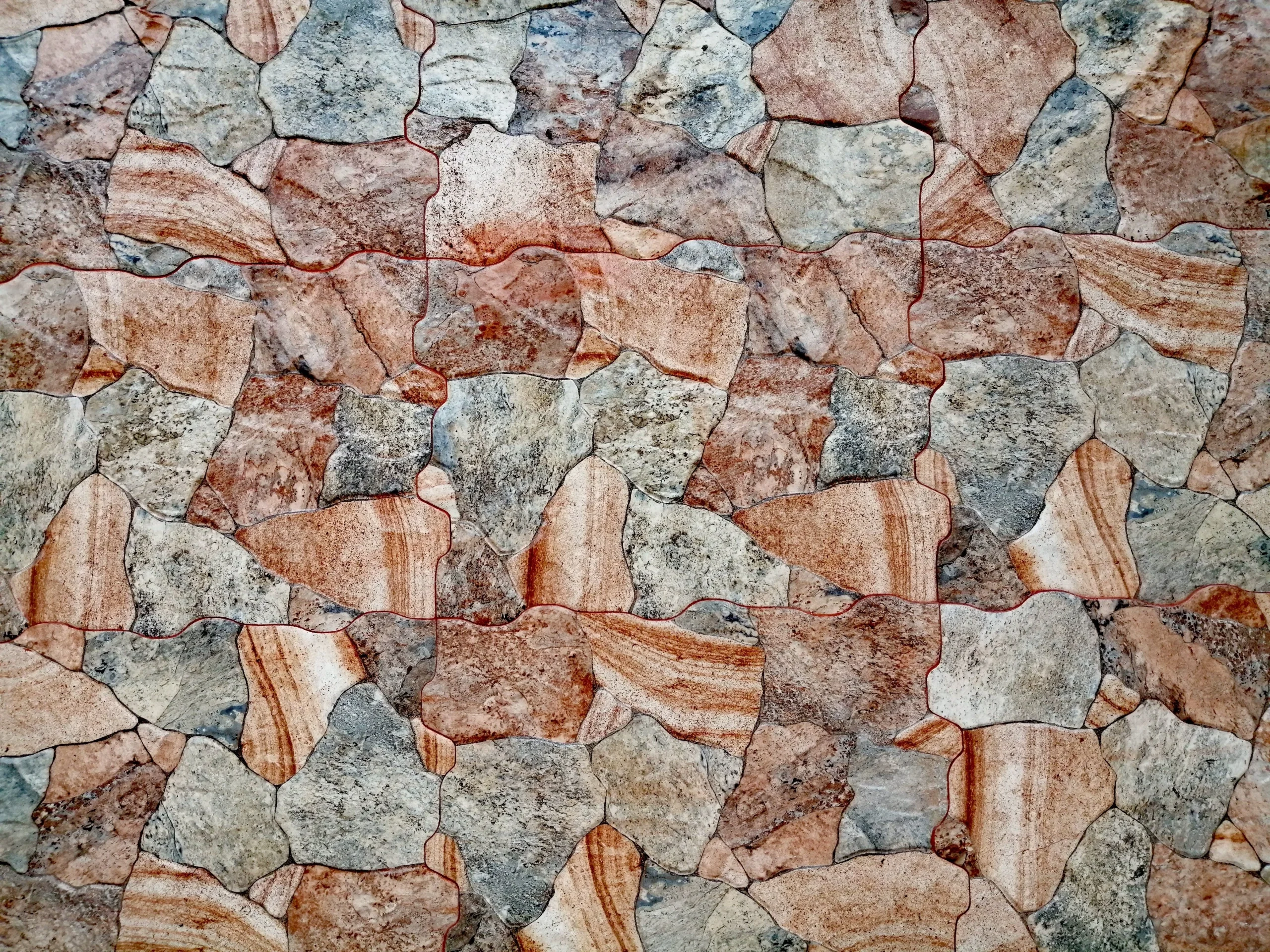
Home Facades & Accent Walls
For curb appeal.
Chimney Exteriors
Giving a plain chimney a full-stone look.
Foundation Facing
Dressing up exposed block or concrete.
Columns, Posts & Entryways
A finished, elevated look at the entrance.
Outdoor Kitchens & Fire Features
Fire pits, seating walls, and outdoor kitchens.
Natural vs. Manufactured Stone Veneer
Natural Stone Veneer
Real stone cut thin. Authentic color and texture that never fades and the longest lifespan. Costs more and weighs more, which can affect wall prep.
Manufactured (Cultured) Stone Veneer
Molded and colored concrete made to look like stone. Lighter, more uniform, easier to install, and cheaper, though color can fade over many years.
We help you choose based on budget, look, and where it's going.
Our Process
Assessment and Estimate
We look at the wall or feature, confirm it's sound, and go over stone options and layout.
Wall Prep and Moisture Barrier
Over most surfaces we install a weather-resistant barrier so no water gets trapped behind the stone. This step protects the wall and is where shortcuts cause real problems.
Lath and Scratch Coat
On applicable surfaces we attach metal lath and apply a scratch coat that the stone bonds to.
Setting the Stone
We set each piece in mortar, fitting the stones and keeping the pattern and joints consistent.
Pointing and Finish
We point the joints (or fit it dry-stacked for that look), then clean the surface.
Sealing
Where appropriate we seal the veneer to help it resist staining and weather.
Why Installation Matters More Than the Stone
Stone veneer that fails almost always fails because of what's behind it, not the stone itself. A missing or poorly installed moisture barrier lets water get trapped in the wall, which leads to rot and mold and eventually the stone letting go. Correct flashing, a proper barrier, and a solid bond are what make veneer last. That's the part you can't see once it's done, so it's the part worth getting right.
What Affects the Cost
Stone veneer pricing depends on a handful of things.
Natural vs. Manufactured
Natural stone costs more.
Square Footage
The size of the wall or feature being faced.
Wall Prep
The prep work required on the existing surface.
Complexity & Access
Corners, columns, and detail work add labor.
A straightforward manufactured-stone accent wall is at the lower end; a large natural-stone facade with lots of corners costs more. We give a free written estimate after seeing the project.
Maintenance and Lifespan
Properly installed stone veneer lasts for decades with little upkeep. Natural stone essentially lasts indefinitely; manufactured stone holds up well but can fade over a long time. Keeping the sealer refreshed and the joints sound is about all it needs. The base wall and moisture barrier behind it determine the real lifespan.
Frequently Asked Questions
Natural or manufactured stone veneer, which is better?
How much does stone veneer cost?
Is stone veneer durable?
Can stone veneer go over my existing chimney or foundation?
Does stone veneer need maintenance?
Will manufactured stone look fake?
Related Services
Looking for a related masonry service? Take a look at these related pages.
Ready To Get Started
Thinking About Stone Veneer?
Call us at (908) 263-8265 or request a free estimate. We'll look at the wall or feature, go over natural and manufactured options, and give you a straight written price.