

Retaining
Walls
How retaining walls are built, why drainage decides whether they last, the material options, and what affects the cost.
Thanks! We got your request.
We'll call you within 24 hours to discuss your
project.
A retaining wall holds back soil on sloped or uneven ground, controls erosion, and turns unusable slopes into level, usable space. It looks simple from the outside, but a retaining wall is doing real structural work, and the difference between one that lasts decades and one that leans and fails in a few years is almost always what's behind it: the base, the drainage, and the depth.
This page covers how retaining walls are built, the materials, what drives the price, and the questions homeowners ask us most.
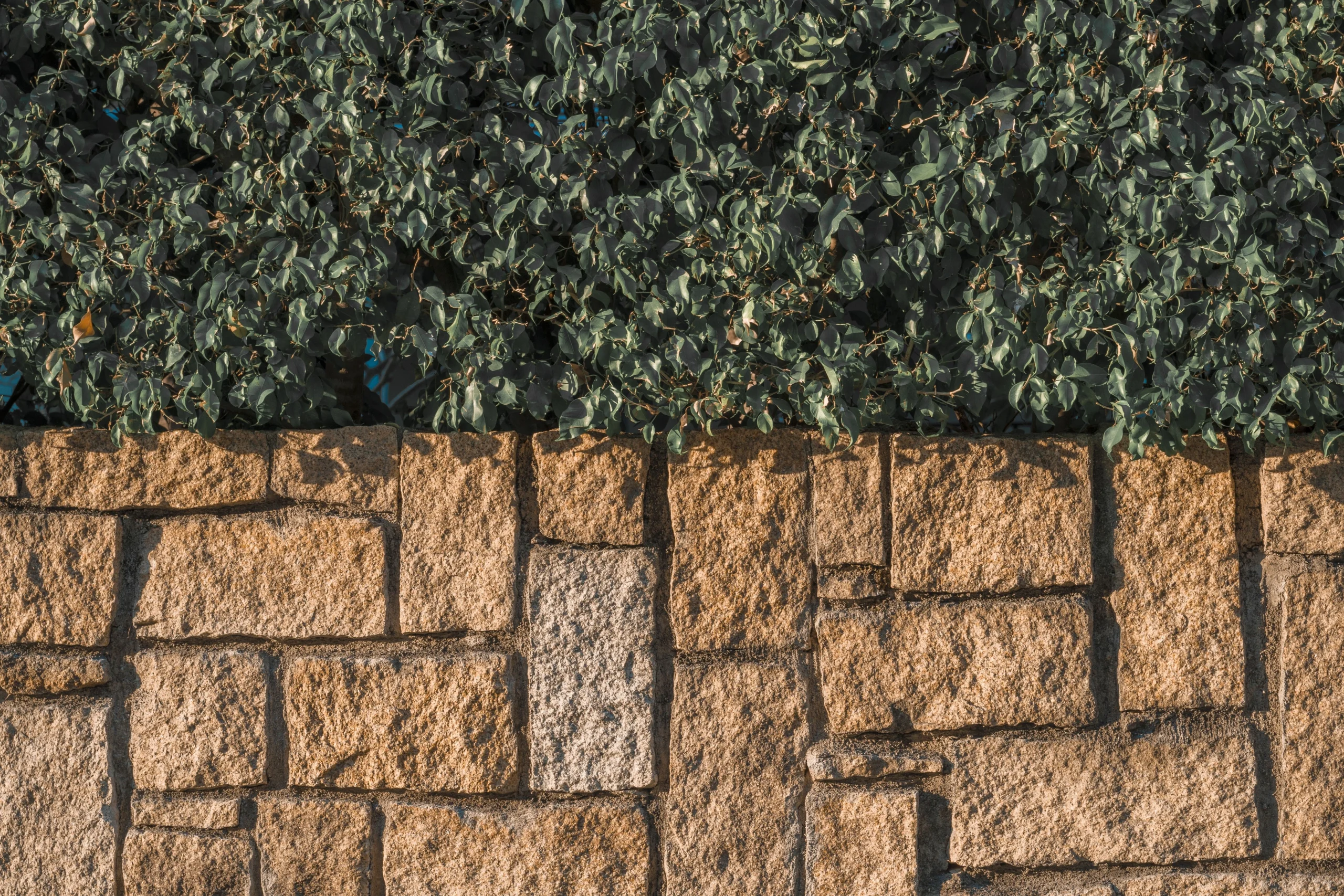
What a Retaining Wall Does
Holds Back Soil
Holds back soil and stops erosion on a slope.
Levels the Yard
Levels out a yard to create patios, gardens, or usable flat space.
Manages Runoff
Manages water runoff and protects foundations and landscaping downhill.
Adds a Finished Look
Adds a finished, structured look to a property.
Why Drainage Is Everything
The most common reason retaining walls fail is water. When soil behind a wall gets saturated, it creates hydrostatic pressure that pushes against the wall until it leans, cracks, or collapses. A wall built right includes drainage behind it, gravel backfill, and weep holes or a drain pipe that let water escape instead of building up.
A wall without proper drainage can look fine for a year or two and then start to fail. We build the drainage in from the start because it's what makes the wall last.
Materials and Options
Segmental Block (SRW)
Engineered concrete blocks that interlock, common, durable, and available in many colors and textures.
Natural Stone
A classic, high-end look, either dry-stacked or mortared.
Poured Concrete
Strong and clean-looking, often faced with stone veneer for appearance.
Boulder Walls
Large stones used for a rugged, natural look on bigger slopes.
The right choice depends on wall height, the load behind it, drainage needs, and the look you want.
Our Process
Assessment and Planning
We look at the slope, soil, drainage, and height, and confirm whether the wall needs engineering or a permit. Taller walls often do.
Excavation
We dig out for a proper footing trench and set the depth below the frost line where required.
Base Preparation
We install and compact a crushed stone base so the wall has solid, even footing.
Drainage
We add gravel backfill and a drain system with weep holes or a pipe to relieve water pressure.
Wall Construction
We build the wall in courses, keeping it level and properly set back into the slope for stability.
Backfill and Finish
We backfill in stages, compact as we go, and finish with caps and grading.
What Affects the Cost
Retaining wall pricing depends on a handful of things.
Height & Length
Taller walls carry more load and cost more per square foot.
Material
Natural stone and taller engineered walls sit at the higher end.
Excavation & Drainage
How much excavation and drainage work is needed.
Access & Permits
Site access and whether engineering or a permit is required.
We give a free written estimate after seeing the site.
Height, Engineering, and Permits
Short garden walls are straightforward. Once a wall gets taller, usually around 4 feet or more, it typically needs engineering and a permit because it's holding back significant load. Rules vary by town. We handle what's required so the wall is built to code and built to last.
Frequently Asked Questions
Why do retaining walls fail?
How much does a retaining wall cost?
How tall can a retaining wall be?
What is the best material for a retaining wall?
Do I need a permit for a retaining wall?
Can you repair a leaning or failing retaining wall?
Related Services
Looking for a related masonry service? Take a look at these related pages.
Ready To Get Started
Planning A Retaining Wall?
Call us at (908) 263-8265 or request a free estimate. We'll look at the slope and drainage, walk you through material options, and give you a straight written price.