
Brick & Stone
Steps and Stoops
Building and rebuilding front steps and stoops, the materials and safety details, what it costs, and when to repair versus replace.
Thanks! We got your request.
We'll call you within 24 hours to discuss your
project.
Front steps and a stoop are the first thing people see and the first thing they touch when they come to your door. They also take a beating from weather, foot traffic, and NJ freeze-thaw, so they're one of the most common masonry elements that need rebuilding or repair.
Done right, brick and stone steps are safe, solid, and last for decades. Done wrong or built on a poor footing, they crack, settle, and become a trip hazard. This page covers how steps and stoops are built, the materials, safety and code, cost factors, and the questions homeowners ask us most.
Why Steps and Stoops Fail
Most step and stoop problems trace back to two things: a footing that wasn't set below the frost line, and water getting into the structure. When water freezes and expands under or inside the steps, it lifts and cracks them. Loose or wobbly steps, cracked treads, separating brick, and settling are the usual signs. Building on a proper footing with good drainage is what prevents it.
Materials & Options
Brick
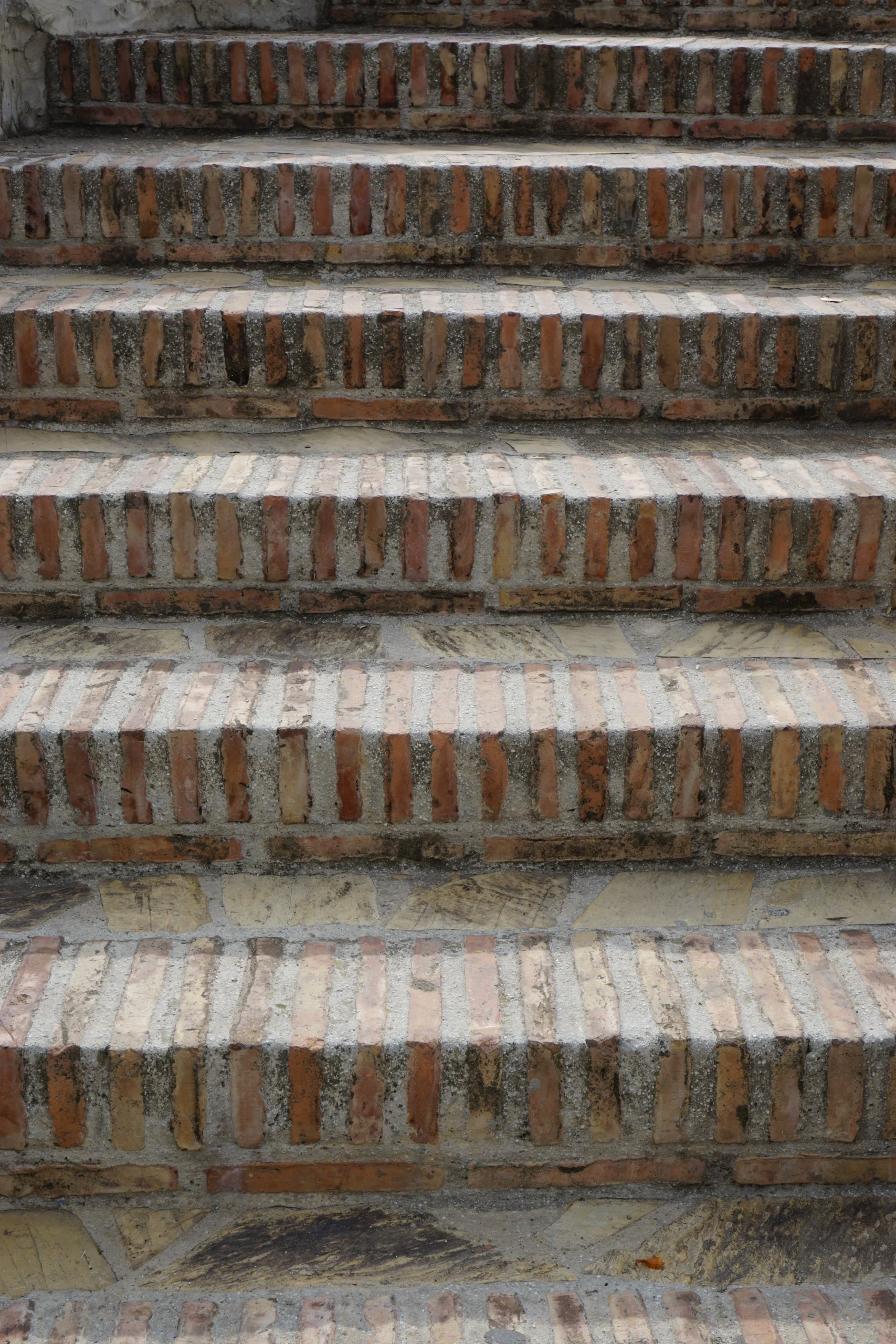
Classic look that matches many homes, laid over a solid structure.
Natural Stone
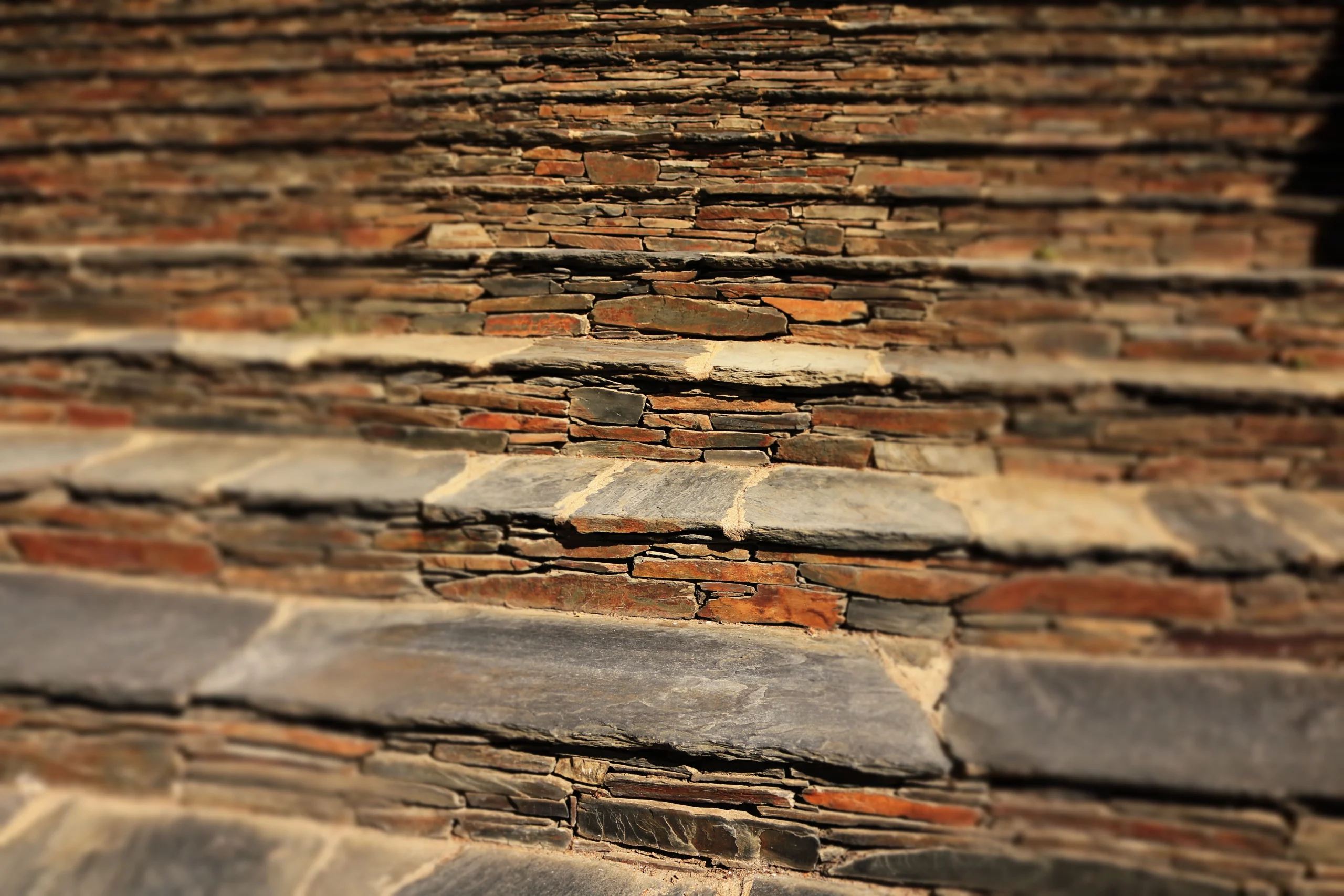
Bluestone and other stone treads for a premium, durable finish.
Stone Veneer Over Block
A strong concrete or block core faced with brick or stone for the look you want.
Railings
Steps often need a code-compliant railing for safety, which we coordinate as part of the work.
Our Process
Assessment and Estimate
We look at the existing steps or the entry, check the footing and drainage, and go over materials and layout.
Demolition (If Rebuilding)
We remove failing steps down to a sound base.
Footing and Base
We pour or confirm a proper footing set below the frost line so the steps don't heave.
Structure
We build the core in block or poured concrete for strength.
Facing and Treads
We face the steps in brick or stone and set the treads level with safe, consistent rise and run.
Finishing
We point the joints, add any caps or nosing, and coordinate railings where needed.
Safety and Code
Steps have to be safe to use, which means consistent step height (rise) and depth (run), a level landing, and a railing where code requires one. Uneven or mismatched steps are both a trip hazard and a code issue. We build to safe, code-compliant dimensions.
Repair vs. Rebuild
Minor issues like a few loose bricks, cracked mortar joints, or surface damage can often be repaired. When the footing has failed, the steps are heaving or pulling away from the house, or the structure is cracked through, a rebuild is the lasting fix. We assess it and tell you honestly which one makes sense instead of defaulting to the bigger job.
What Affects the Cost
Steps and stoop pricing depends on a handful of things.
Size & Number of Steps
More steps and a larger stoop mean more material and labor.
Material
Natural stone costs more than brick.
Repair vs. Rebuild
Full rebuilds with new footings cost more than minor repairs.
Railings & Access
Railings and site access add to the scope.
A small repair is far less than a full tear-out and rebuild with new footings. We give a free written estimate after seeing the steps.
Frequently Asked Questions
Why are my brick steps cracking or coming loose?
Should I repair or replace my steps?
How much do brick or stone steps cost?
Do exterior steps need a railing?
How long do masonry steps last?
Can you match my existing brick or stone?
Related Services
Looking for a related masonry service? Take a look at these related pages.
Ready To Get Started
Need New Steps or a Stoop Repair?
Call us at (908) 263-8265 or request a free estimate. We'll inspect the steps and footing, tell you whether repair or rebuild makes sense, and give you a straight written price.