
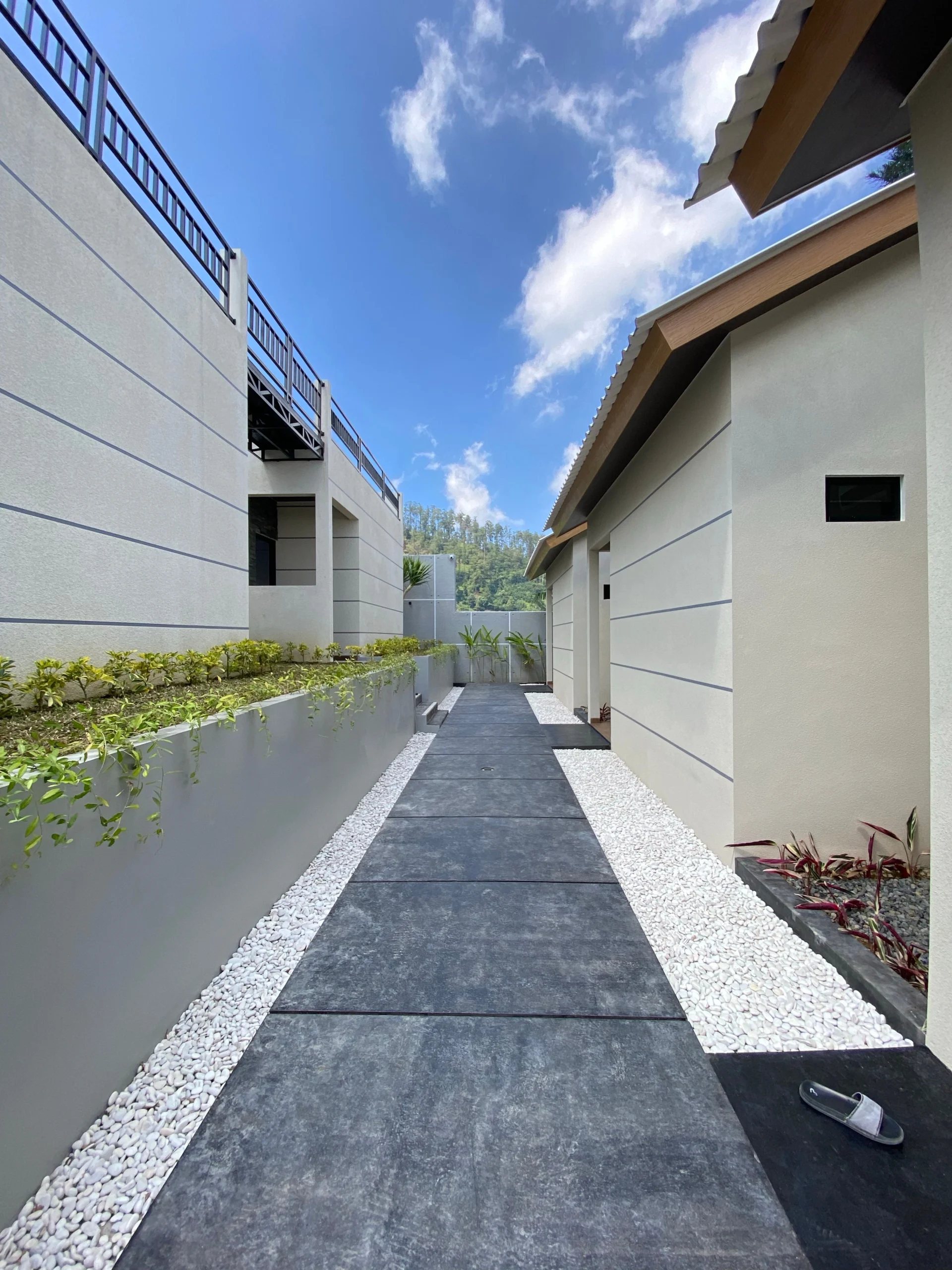
Concrete Sidewalks
& Walkways
New concrete sidewalks and walkways, repairs, and what to know about cost, code, and keeping them safe and level.
Thanks! We got your request.
We'll call you within 24 hours to discuss your
project.
Concrete sidewalks and walkways are the everyday surfaces that connect a driveway to a door, a yard to a patio, or a home to the public walk out front. They take constant foot traffic and full exposure to weather, so how they're poured and based decides whether they stay level or start to crack, lift, and create trip hazards. This page covers how concrete walkways are installed, what repair involves, what affects the price, and the questions homeowners ask us most.
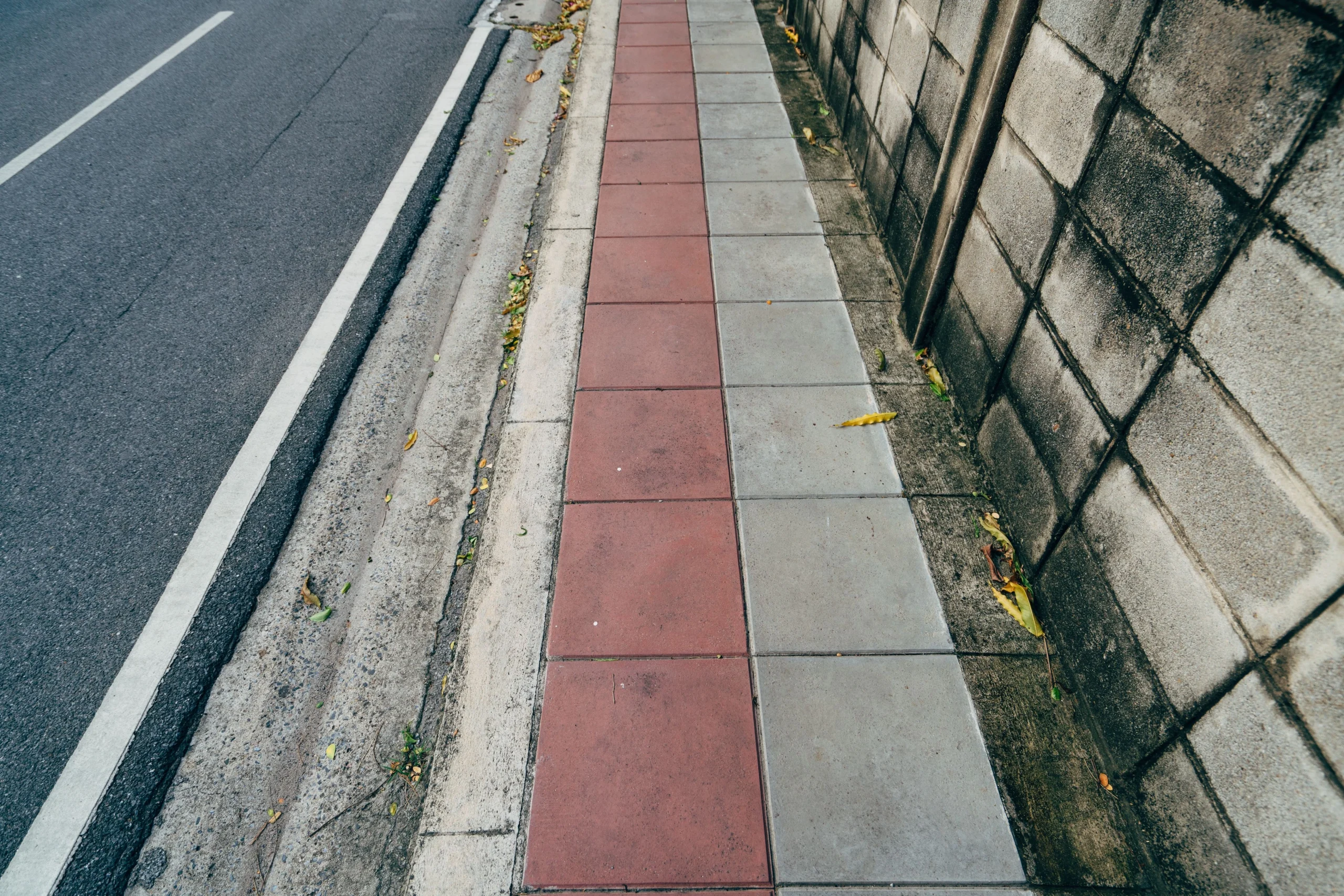
A Safe, Level Path That Lasts
A cracked, uneven, or sunken sidewalk is more than an eyesore. It's a trip hazard, and in many NJ towns the homeowner is responsible for maintaining the public sidewalk in front of their property. A properly built walkway drains water, resists frost heave, and stays even for decades.
Our Process
Estimate and Layout
We look at the path, check slope and drainage, and confirm width and any code requirements for public sidewalk work.
Excavation and Grading
We remove the old surface or soil and grade for proper drainage and a consistent slope.
Base Preparation
We install and compact a crushed stone sub-base so the walkway has even support and resists settling.
Forming and Reinforcement
We form the path and add wire mesh where needed to control cracking.
Pour and Finish
We pour, screed, and float the surface, usually with a broom finish for slip resistance.
Control Joints
We space joints correctly so cracking follows hidden lines instead of showing across the surface.
Cure
We let the concrete cure and advise on when it's safe to walk on.
Materials and Finish Options
Standard Width
Residential walkways are commonly 3 to 4 feet wide. Public sidewalks often follow a town-specified width.
Broom Finish
The standard slip-resistant finish — simple, durable, and budget-friendly for any walkway.
Exposed Aggregate
A textured surface that shows the stone in the mix — good grip and a more decorative look for front walkways.
Reinforcement
Wire mesh helps hold everything together and reduces cracking, especially for wider or heavier-use walkways.
ADA and Code
Public sidewalk work may need to meet town specs and accessibility requirements for slope and level transitions.
Repair vs. Replacement
Not every bad section needs a full tear-out. A single lifted or cracked slab can often be removed and replaced without redoing the whole run. When the base has failed or multiple sections are sunken and cracked, replacement is the better long-term fix. We assess the walkway and tell you straight which one makes sense.
What Affects the Cost
Walkway and sidewalk pricing depends on a handful of things.
Length & Width
Total square footage is the biggest pricing factor.
Finish
Broom finish is the most affordable. Decorative finishes cost more.
Base & Drainage
How much old surface needs removing and what drainage work is needed.
Repair vs. Replace
Replacing a few sections costs far less than a full tear-out and repour.
We give a free written estimate after seeing the site.
Frequently Asked Questions
Am I responsible for the sidewalk in front of my house?
How much does a concrete sidewalk cost?
How long does a concrete walkway last?
Can you fix an uneven or lifted sidewalk?
How wide should a walkway be?
How soon can I walk on new concrete?
Related Services
Looking for a different surface or material? Take a look at these related pages.
Ready To Get Started
Need A New Walkway Or Sidewalk Repair?
Call us at (908) 263-8265 or request a free estimate. We'll look at the path, tell you whether repair or replacement makes sense, and give you a straight written price.