
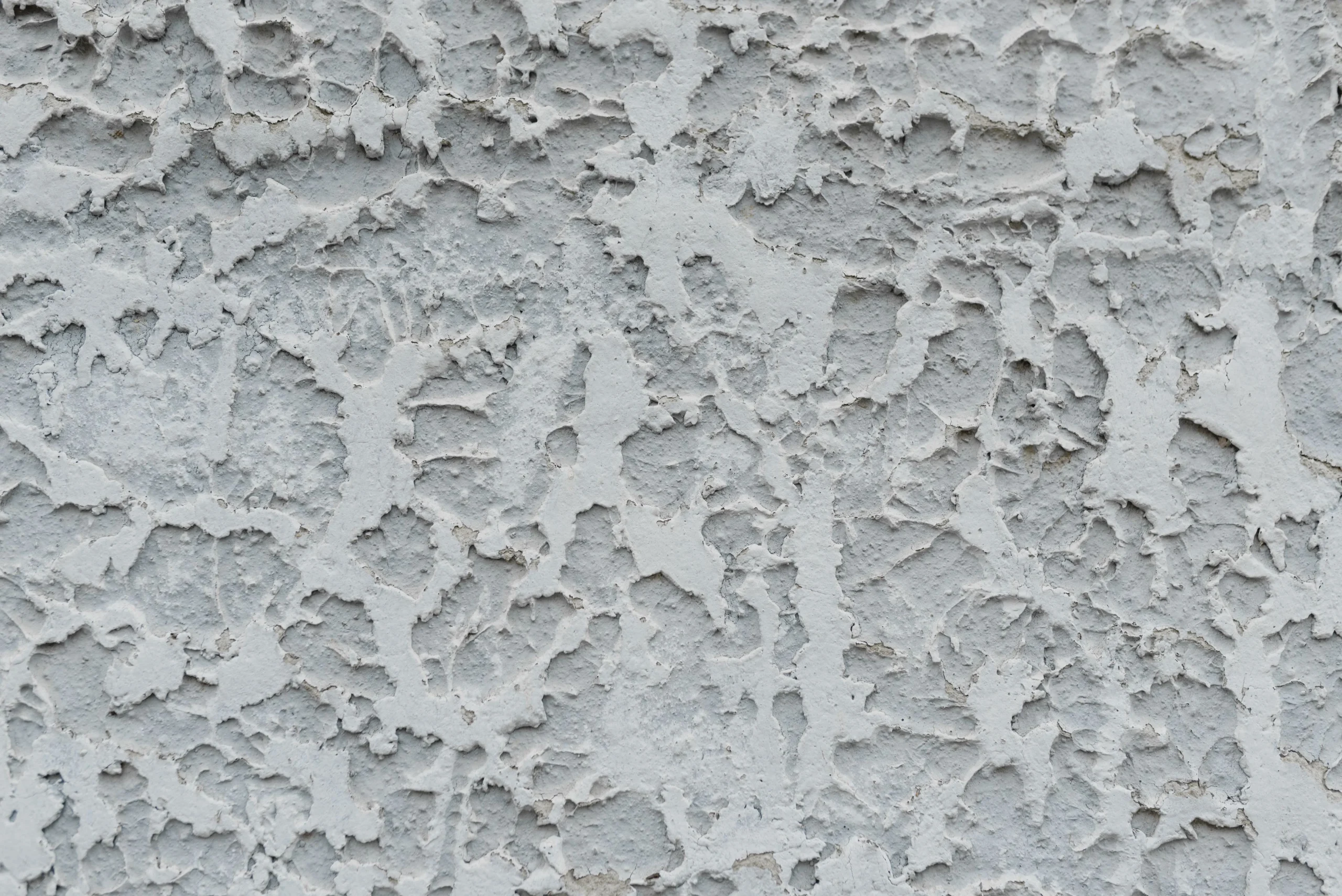
Stucco
How stucco is applied, the difference between traditional and synthetic systems, what it costs, and why proper moisture detailing decides whether it lasts.
Thanks! We got your request.
We'll call you within 24 hours to discuss your
project.
Stucco is a cement-based exterior finish that gives a home a clean, seamless, durable surface with a distinctive look. Done right, traditional stucco lasts for decades and shrugs off weather.
The catch in a climate like New Jersey's is moisture: stucco has to be installed with the right barrier, lath, and flashing so water that gets behind it can escape. When that detailing is skipped, water gets trapped and causes rot, which is the single biggest reason stucco jobs fail. This page covers how stucco is installed and repaired, the system options, cost factors, and the questions homeowners ask us most.
Where Stucco Is Used
Full Exterior Wall Finishes
On homes.
Accent Walls, Columns & Entryways
Accent walls, columns, and entryways.
Refinishing
Over block, concrete, or existing surfaces suited for stucco.
Repairs
Repairing cracks, holes, and failed sections of existing stucco.
Traditional vs. Synthetic Stucco
Three-Coat (Traditional) Stucco
Applied in three layers, a scratch coat, a brown coat, and a finish coat, over metal lath. It's durable, breathable, repairable, and the long-standing standard.
EIFS (Synthetic Stucco)
A foam-based, multi-layer system that adds insulation. It looks similar but behaves differently and is more sensitive to moisture problems if it isn't installed and flashed correctly.
We help you choose the right system and, more importantly, install it with the moisture detailing that makes it last.
Why Moisture Detailing Is Everything
Stucco failures are almost always moisture failures. Water gets behind the stucco around windows, doors, rooflines, and the base of walls, and if there's no proper weather barrier, flashing, and weep screed to let it drain and escape, it gets trapped against the wall and rots the structure. Correct flashing, a proper barrier behind the stucco, and a weep screed at the base are what separate a stucco job that lasts from one that traps water. We install those details as standard.
Our Process
Assessment and Estimate
We look at the walls or the existing stucco, check for moisture issues, and go over system and finish options.
Prep and Barrier
We prepare the surface and install the weather-resistant barrier and flashing so water can drain and escape.
Lath
We attach metal lath that the stucco bonds to.
Coats
We apply the scratch coat, then the brown coat, allowing proper set between layers.
Finish Coat
We apply the finish coat in your chosen texture and color.
Details
We finish the weep screed, edges, and transitions that keep moisture moving out.
Finish and Texture Options
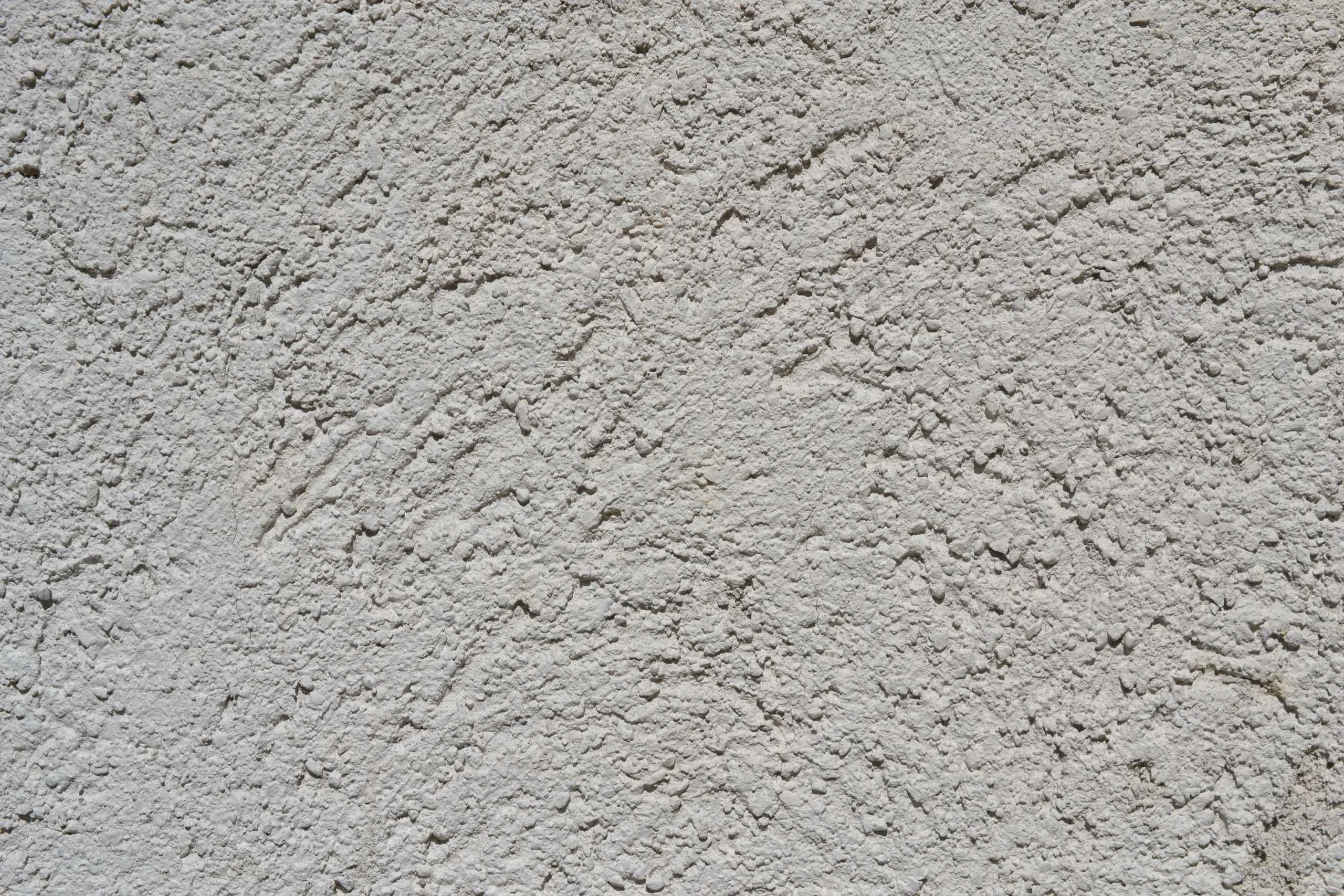
Stucco can be finished in a range of textures, from smooth to sand to heavier troweled looks, and colored in the finish coat so it doesn't need painting. We match the texture and color to your home.
Repair vs. New Stucco
Cracks, holes, and small failed sections can often be repaired and blended. When there's widespread cracking, moisture damage behind the stucco, or a failing system, removing and replacing the affected areas, and fixing the moisture detailing underneath, is the lasting fix. We assess it and tell you honestly which one makes sense, because patching over a moisture problem only hides it.
What Affects the Cost
Stucco pricing depends on a handful of things.
System
Traditional versus EIFS.
Square Footage & Prep
The square footage and the wall prep and moisture detailing required.
Coats & Finish
The number of coats and the finish.
Repair vs. New & Access
Repairs versus new application, and access.
A straightforward finish-coat refresh is at the low end; a full three-coat application with new flashing and barrier costs more. We give a free written estimate after seeing the walls.
Frequently Asked Questions
How long does stucco last?
How much does stucco cost?
Traditional stucco or EIFS, which is better?
Why is my stucco cracking?
Can stucco be repaired, or does it all need to come off?
Does stucco need to be painted?
Related Services
Looking for a related exterior service? Take a look at these related pages.
Ready To Get Started
Planning New Stucco or a Stucco Repair?
Call us at (908) 263-8265 or request a free estimate. We'll look at the walls, go over system and finish options, and give you a straight written price.