
Concrete
Driveways
What goes into a concrete driveway, how it's installed, what it costs, and how to make sure it lasts.
Thanks! We got your request.
We'll call you within 24 hours to discuss your
project.
A concrete driveway is one of the longest-lasting surfaces you can put in front of a home. Poured and cured correctly, it can last 30 years or more with little upkeep.
The catch is that most of the work that decides how long it lasts happens before the concrete is ever poured, in the base, the reinforcement, and the cure. This page walks through how concrete driveways are built, what affects the price, and the questions homeowners ask us most.
Why Homeowners Choose Concrete
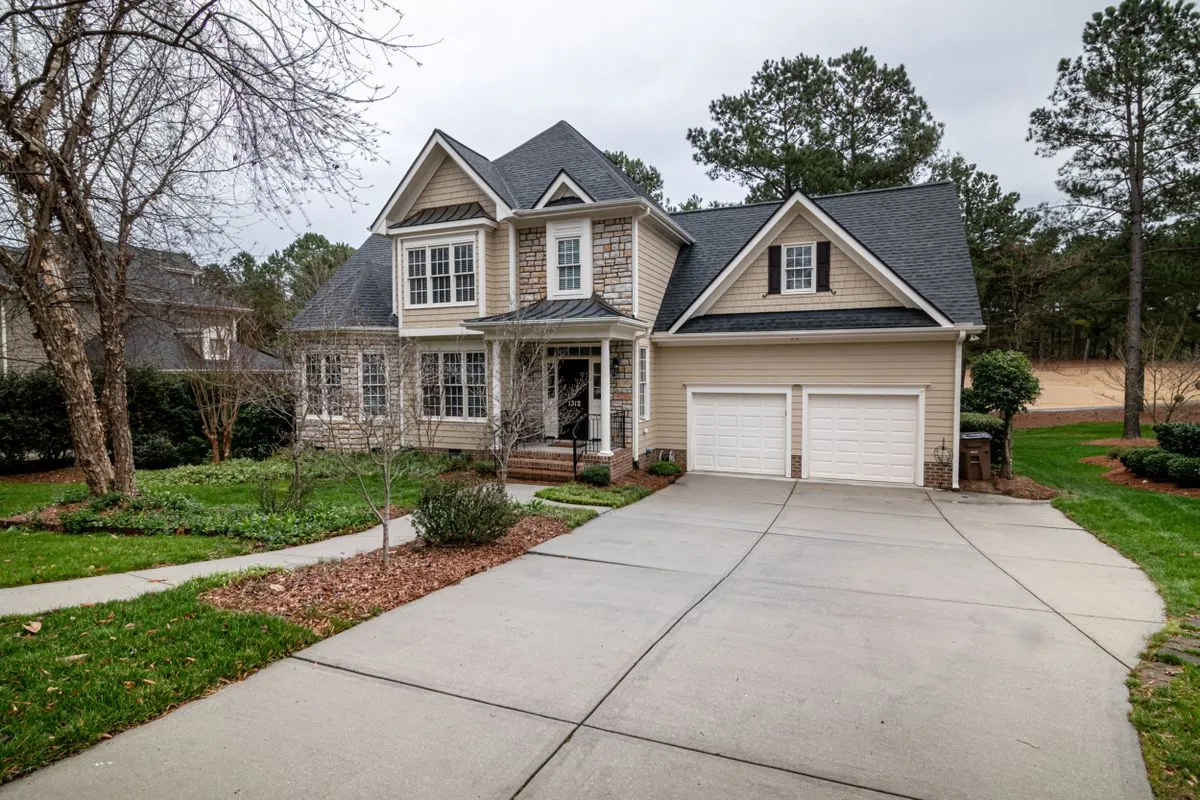
Concrete holds up to heavy vehicles, resists ruts and soft spots that asphalt can develop, and gives you finish options that asphalt can't, from a simple broom finish to stamped and colored designs. It costs more upfront than asphalt but usually lasts longer and needs less maintenance over its life.
Our Process
Estimate and Planning
We look at the space, check drainage and slope, and go over finish, thickness, and reinforcement options.
Excavation and Grading
We remove the old surface or soil and grade the area so water drains away from the house and garage.
Base Preparation
We install and compact a crushed stone sub-base. This is the step that prevents settling and cracking, and it's the one some contractors cut short.
Forming and Reinforcement
We set forms to shape the pour and add rebar or wire mesh for tensile strength.
Pour and Finish
We pour, screed, and float the concrete, then apply the finish you chose.
Control Joints
We cut joints so any future cracking is directed to hidden lines instead of showing up across the surface.
Cure and Seal
Concrete reaches most of its strength over about 28 days. We advise on when it's safe to walk and drive on it, and on sealing to protect against water and salt.
Materials and Options
Thickness
Four inches is standard for residential driveways. Five to six inches is better where heavier vehicles park.
Reinforcement
Rebar or wire mesh helps control cracking and is standard on any driveway that carries real weight.
Finish
Broom finish for grip and simplicity, exposed aggregate for texture, or stamped and colored concrete for a decorative look.
Sealer
A quality sealer extends the life of the surface and helps it resist NJ freeze-thaw damage and road salt.
What Affects the Cost
Concrete driveway pricing depends on a handful of things.
Size & Thickness
Total square footage and slab thickness drive material and labor cost.
Reinforcement & Finish
The type of reinforcement and finish you choose; decorative options cost more than plain broom finish.
Excavation
How much old-surface removal and site prep the job needs.
Access & Drainage
Site access and any drainage work needed for the pour.
The most reliable number is a written estimate after we've seen the site, and we give those for free.
How Long It Lasts
A properly installed and sealed concrete driveway commonly lasts 25 to 30 years or more. The biggest enemies are a weak base, skipped reinforcement, poor drainage, and de-icing salt on unsealed concrete. Get those right and the surface holds up.
Frequently Asked Questions
How long before I can use a new concrete driveway?
How thick should a concrete driveway be?
Concrete or asphalt, which is better?
Do concrete driveways crack?
Can a concrete driveway be stamped or colored?
Do I need to seal it?
Related Services
Considering a decorative finish or need to fix an existing slab? Take a look at these related pages.
Ready To Get Started
Thinking About A New Concrete Driveway?
Call us at (908) 263-8265 or request a free estimate. We'll look at the site, walk you through your options, and give you a straight written price.