
Paver
Patios
How a paver patio is built, the design and pattern options, what it costs, and why a paver patio is one of the easiest surfaces to keep looking new.
Thanks! We got your request.
We'll call you within 24 hours to discuss your
project.
A paver patio is one of the most popular ways to build outdoor living space, and for good reason. Pavers come in more colors, shapes, and patterns than any other patio material, they lock together into a surface that flexes with NJ freeze-thaw, and if a paver ever cracks or stains, you replace that single unit instead of patching the whole thing.
Like every paver surface, a patio is only as good as its base, edging, and joints. This page covers how paver patios are installed, the design options, cost factors, and the questions homeowners ask us most.
Why Homeowners Choose Paver Patios
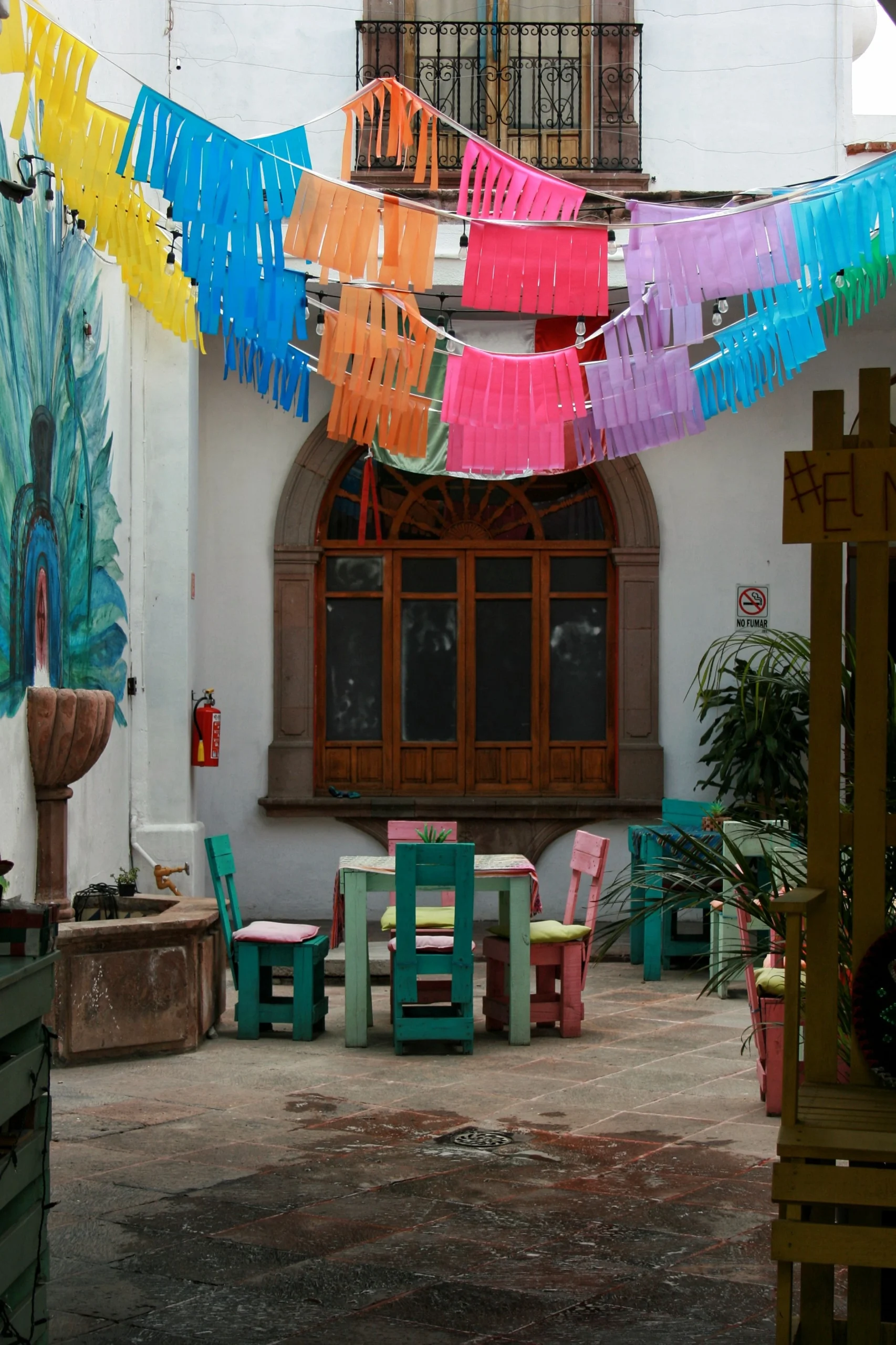
Pavers give you design freedom and a premium look, they hold up to weather and furniture, and they're easy to repair. Because the surface is made of individual units over a flexible base, it handles freeze-thaw movement better than a single poured slab, which is one reason paver patios stay looking good in this climate.
Design & Pattern Options
Paver Styles
Concrete pavers in many shapes, colors, and textures, including tumbled and natural-stone looks, or clay brick pavers for a classic feel.
Patterns
Running bond, herringbone, basketweave, and more, plus mixed sizes for a natural layout.
Borders & Accents
A contrasting border or banding to frame the patio.
Built-In Features
Paver patios pair naturally with seating walls, fire pits, and outdoor kitchens.
Pattern & Layout Gallery
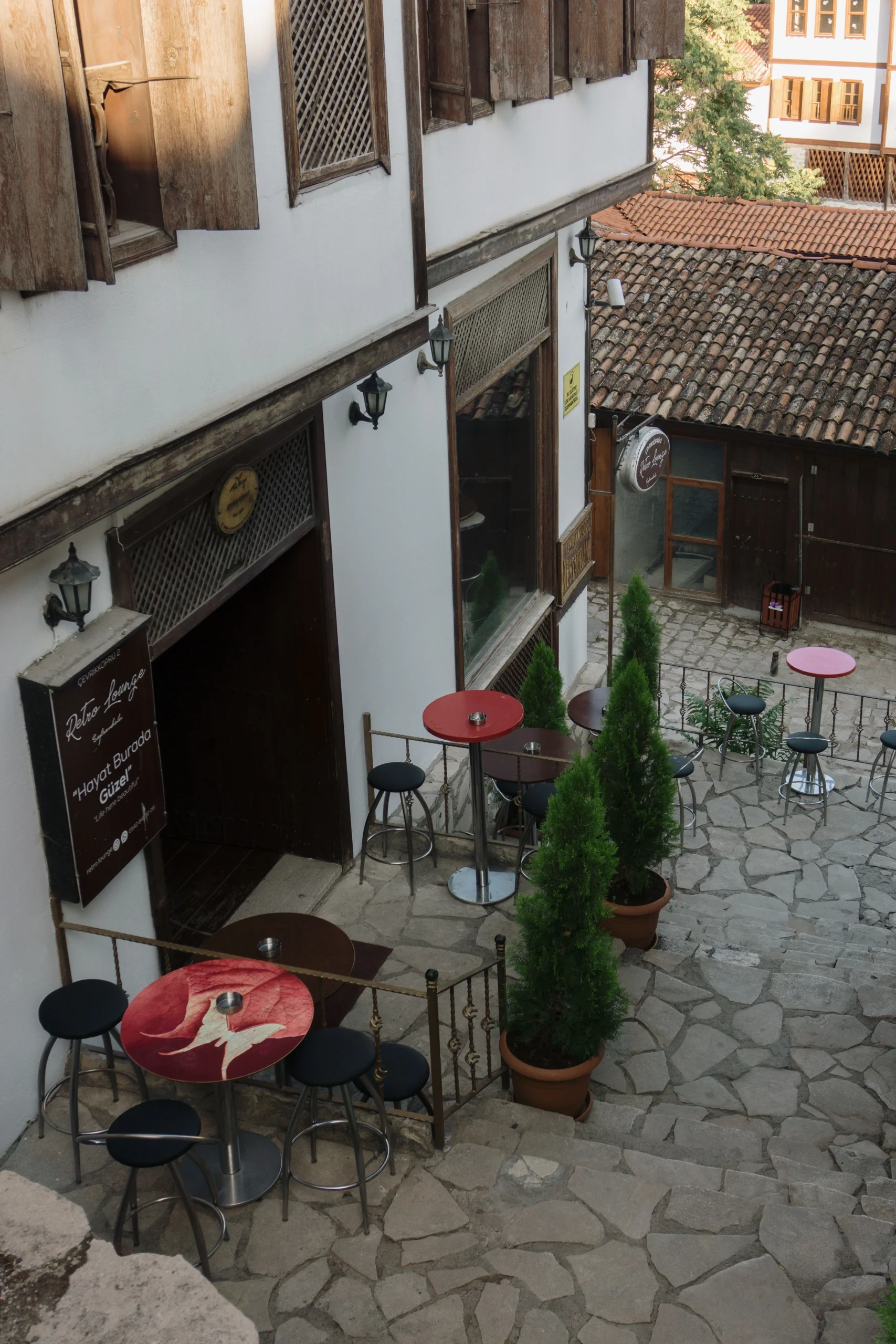
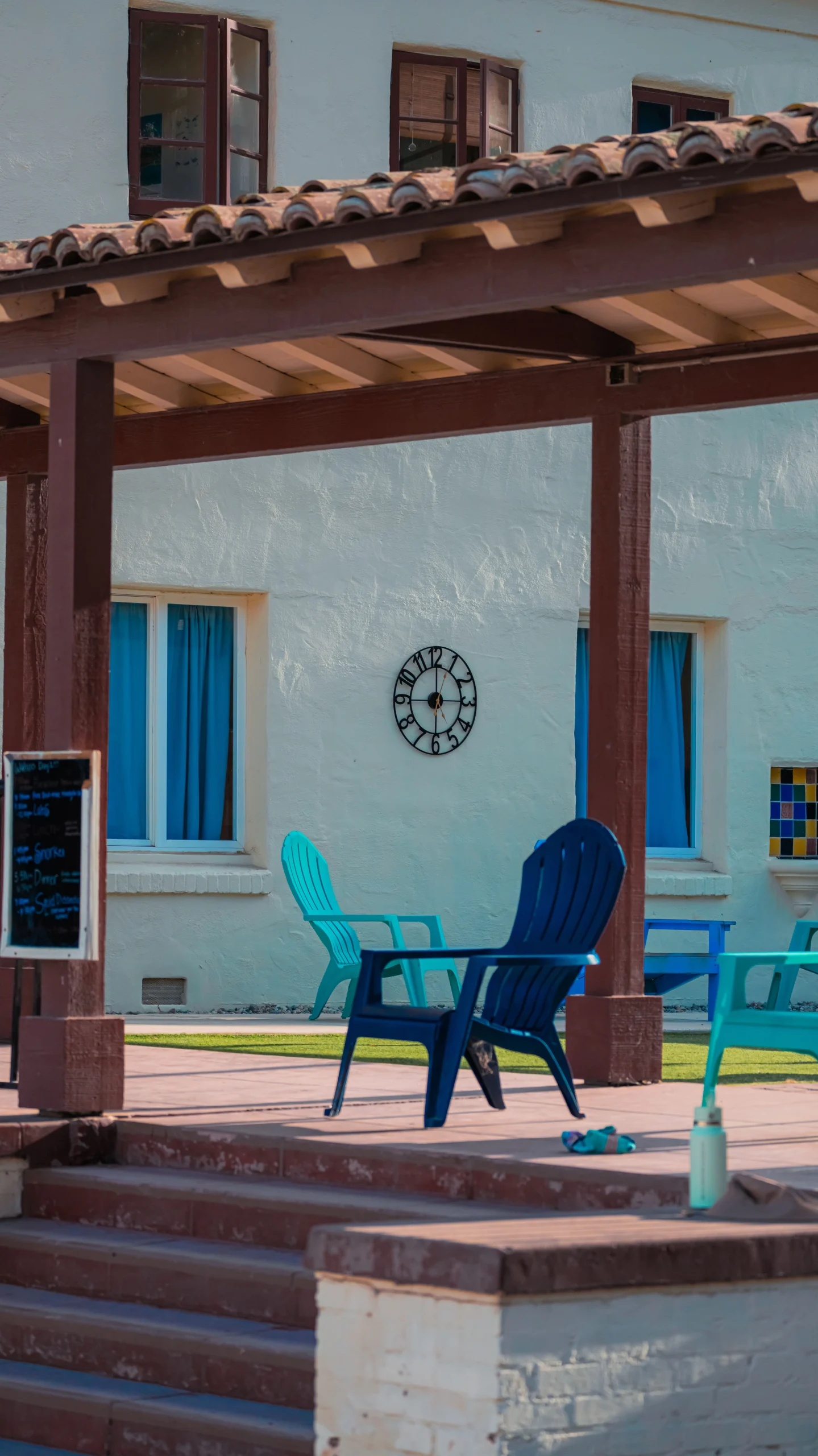
A look at a few of the paver patio patterns and layouts we've built.
How the Base & Joints Keep It Level
A paver patio is a system: a compacted stone base, a bedding layer, the pavers, edge restraints, and joint sand. The base and edging keep the surface flat and stop the pavers from spreading, and the joint sand locks them together. A patio doesn't carry vehicle weight like a driveway, but it still needs a proper base and edging to stay even. That hidden work is what separates a patio that stays flat from one that settles and goes uneven.
Our Process
Design and Estimate
We go over size, shape, paver style, and pattern, and check how the patio should slope to drain away from the house.
Excavation and Grading
We excavate to the base depth and grade for drainage.
Base Preparation
We install and compact a crushed stone base for solid, even support.
Edge Restraints
We set edging so the patio holds its shape and the pavers stay locked in.
Bedding and Laying
We screed a bedding layer and lay the pavers in your pattern, cutting to fit the edges and any curves.
Joint Sand and Compaction
We sweep in polymeric joint sand and compact the surface so it locks together.
What Affects the Cost
Paver patio pricing depends on a handful of things.
Paver & Size
The paver you choose and the size and shape of the space.
Pattern
Curves and custom layouts add labor.
Base & Drainage
Base and drainage work required for the site.
Borders, Features & Access
Borders, built-in features, and access to the yard.
A simple square patio in a basic pattern costs less than a large patio with borders, curves, and a fire pit. Pavers cost more upfront than a plain concrete patio, but the look, longevity, and repairability are why many homeowners choose them. We give a free written estimate after seeing the space.
Maintenance and Repair
Paver patios are low maintenance. Refresh the polymeric joint sand occasionally to keep the joints tight and weed-free, and seal if you want extra stain resistance and color. The standout benefit is easy repair: a stained or cracked paver, or a spot that settles, can be lifted and reset without touching the rest of the patio.
Frequently Asked Questions
How much does a paver patio cost?
Paver patio or concrete patio, which is better?
Do paver patios get weeds between the joints?
Will a paver patio sink or become uneven?
Can I add a fire pit or seating wall to a paver patio?
How long does a paver patio last?
Related Services
Looking for a different patio material? Take a look at these related pages.
Ready To Get Started
Planning A Paver Patio?
Call us at (908) 263-8265 or request a free estimate. We'll look at the space, go over paver styles and patterns, and give you a straight written price.