
Chimney Repair
& Tuckpointing
Repointing failing mortar and repairing crowns, caps, and brick before water does real damage, plus what it costs and when to do it.
Thanks! We got your request.
We'll call you within 24 hours to discuss your
project.
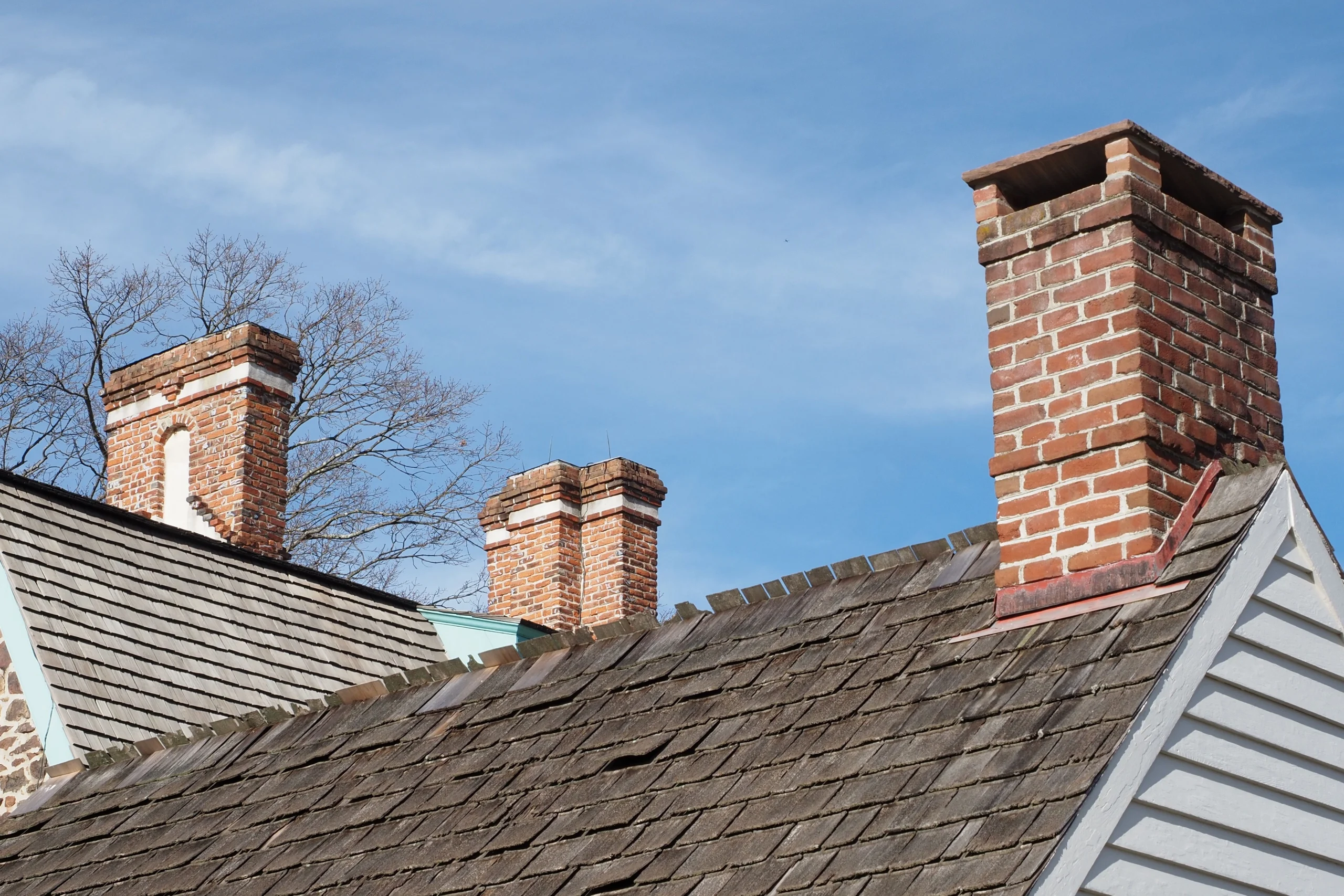
A chimney takes more weather than almost any other part of a house. It sits fully exposed, top and all four sides, so its mortar and brick break down faster than the rest of the masonry.
The good news is that most chimney problems are fixable and far cheaper to handle early than to ignore. Tuckpointing worn mortar, sealing a cracked crown, and replacing a bad cap are the repairs that keep water out and stop small issues from turning into a rebuild. This page covers chimney masonry repair, what tuckpointing is, cost factors, and the questions homeowners ask us most.
What We Repair
Tuckpointing (Repointing)
Removing failing mortar from the joints and replacing it with fresh mortar. The single most common chimney repair.
Chimney Crown
Sealing or rebuilding the cracked concrete surface at the top that sheds water off the chimney.
Chimney Cap
Replacing a missing or damaged cap that keeps water, animals, and debris out.
Spalling & Damaged Brick
Replacing brick that has flaked, cracked, or deteriorated.
Flashing Area Masonry
Addressing the masonry around where the chimney meets the roof, a frequent leak point.
Partial or Full Rebuild
Rebuilding the top courses or the exposed portion when brick and mortar are too far gone to repoint.
For flue lining, sweeping, and inspections, we coordinate with a chimney sweep. Our work is the masonry.
Why Chimneys Deteriorate
Water is the main culprit. Mortar joints wear down over time, a cracked crown lets water into the structure, and a missing cap lets rain straight in. Once water is inside, NJ freeze-thaw does the rest, expanding and cracking the brick and mortar from within. Catching it at the mortar and crown stage is far cheaper than waiting until brick is spalling and the chimney needs a rebuild.
What Is Tuckpointing
Tuckpointing, also called repointing, is the process of grinding out deteriorated mortar from the joints and packing in fresh mortar. It restores the chimney's weather seal and structural integrity and blends with the existing brick. Most masonry needs repointing every 20 to 30 years, and chimneys often need it sooner because of the exposure.
Our Process
Inspection and Estimate
We look at the mortar, crown, cap, flashing area, and brick, and identify what needs repair versus rebuild.
Access and Setup
We set up safe roof access and protect the surrounding area.
Repointing
We grind out failing joints and repack them with matched mortar.
Crown and Cap
We seal or rebuild the crown and replace the cap as needed.
Brick Repair
We replace spalled or cracked brick, matching the existing as closely as possible.
Sealing and Cleanup
We apply a breathable water repellent where appropriate and clean up.
What Affects the Cost
Chimney repair pricing depends on a handful of things.
Height & Access
A tall or hard-to-reach chimney needs more setup.
Repointing Scope
How much mortar needs to be ground out and repacked.
Crown & Cap Work
Whether the crown and cap need sealing, rebuilding, or replacing.
Brick & Rebuild Scope
How many brick need replacing, and whether it's a repair or partial rebuild.
Spot repointing is at the lower end; a rebuild of the exposed portion costs more. We give a free written estimate after inspecting the chimney.
Frequently Asked Questions
How do I know if my chimney needs tuckpointing?
How much does chimney repair cost?
What is a chimney crown, and why does it matter?
How often does a chimney need repointing?
Can you repair just part of the chimney?
Do you clean or line chimneys too?
Related Services
Looking for a related masonry service? Take a look at these related pages.
Ready To Get Started
Chimney Showing Worn Mortar or Cracks?
Call us at (908) 263-8265 or request a free estimate. We'll inspect the chimney, tell you what needs repair versus rebuild, and give you a straight written price.